
The freezing temperature of boogers, or nasal mucus, is influenced by several factors. Firstly, it’s important to note that nasal mucus is primarily composed of water. The freezing point of water is typically 0 degrees Celsius (32 degrees Fahrenheit) under normal atmospheric pressure. However, the composition of mucus can vary from person to person and can be affected by factors such as humidity and hydration levels.
If the air temperature drops below the freezing point of water, and the mucus is exposed to these temperatures, it is likely to freeze. However, the exact temperature at which boogers freeze can vary. In general, nasal mucus may start to solidify and freeze at temperatures slightly below 0 degrees Celsius (32 degrees Fahrenheit). The freezing process can be influenced by the moisture content of the mucus, as well as the external conditions it is exposed to.
It’s worth noting that the freezing point of nasal mucus can be lower than 0 degrees Celsius (32 degrees Fahrenheit) if it contains substances such as salts, proteins, or other impurities. These substances can lower the freezing point of water, resulting in a lower freezing temperature for boogers. However, the specific freezing temperature of boogers can vary from person to person due to individual differences in mucus composition and environmental conditions.
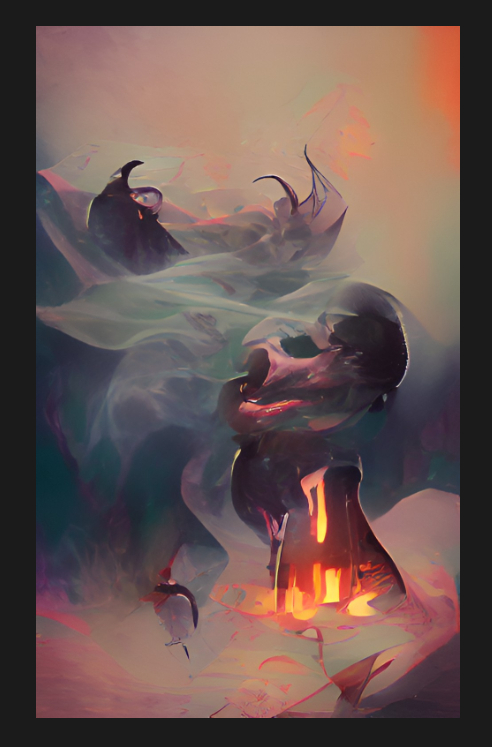
“Boiling Boogers” By AI
Can Boogers Boil
Boogers are mostly H2O and like any liquid, they can undergo a phase change from liquid to gas when exposed to high temperatures. However, the boiling point of boogers will depend on various factors such as the composition of the mucus and the surrounding conditions.
The boiling point of water, which is the main component of boogers, is typically 100 degrees Celsius (212 degrees Fahrenheit) at normal atmospheric pressure. If the temperature rises above this point, the water content in the boogers may begin to evaporate and turn into vapor. However, it’s important to note that boogers may not directly “boil” like a pot of water, as they are a combination of water, salts, proteins, and other substances.
Furthermore, the boiling point of boogers can be affected by the presence of impurities or other components in the mucus. These impurities can raise or lower the boiling point, depending on their nature. Therefore, the specific boiling point of boogers may vary from person to person, depending on individual factors such as hydration levels, diet, and overall health.
In general, it is important to avoid exposing your nasal passages or mucus membranes to excessively high temperatures, as this can cause discomfort, irritation, or even injury. If you are experiencing concerns related to your nasal health, it is always recommended to consult a medical professional for proper evaluation and advice.
Ten Fun and Weird Facts About Boogers
- The medical term for boogers is “nasal mucus.” It serves as a protective mechanism for the respiratory system by trapping particles, such as dust and bacteria, and preventing them from reaching the lungs.
- Boogers can come in various colors, including clear, white, yellow, green, or even brown. The color can indicate different things, such as hydration levels, allergies, or infections.
- On average, a person produces about one liter of nasal mucus per day, but most of it goes unnoticed as it is swallowed or expelled without us realizing.
- Nasal mucus contains antibodies called immunoglobulins, which help fight off infections and protect the respiratory system.
- Eating boogers, also known as “mucophagy,” is a common habit among children. While it may seem gross, some studies suggest that it could have a potential immune-boosting effect.
- Boogers can become dry and crusty when exposed to dry air. They can be easily dislodged by picking your nose, which is generally considered impolite in many cultures.
- The act of picking one’s nose is known as “rhinotillexis.” It is estimated that 91% of people engage in nose-picking to some extent, often as a subconscious or private habit.
- Nasal mucus production can increase when a person is sick or experiencing allergies. This excess mucus can lead to nasal congestion and the formation of larger, more noticeable boogers.
- The consistency of boogers can vary from sticky and thick to watery and runny, depending on factors like hydration levels, temperature, and the presence of irritants or pathogens.
- Boogers can contain a mixture of dead skin cells, dust particles, pollen, bacteria, and viruses. These components make up the particles trapped by nasal mucus and contribute to the various textures and colors observed.
Remember, while boogers may seem strange or gross, they serve an important role in maintaining respiratory health. It’s always advisable to maintain good hygiene practices, such as gently blowing your nose or using tissues, to keep your nasal passages clean.
 Weird Answers
Leave a comment